If your film is a biopic about the greatest comedy double-act of all time, you need a persuasive reason for saddling it with a downbeat tone. Sadly, Stan & Ollie lacks one. Steve Coogan and John C Reilly disappear into their roles — Coogan’s voice is a faultless, almost unnerving recreation of Laurel’s that few actors could have achieved — but they lack the onscreen magnetism of the originals, which is the reason anyone would be interested in seeing this in the first place.
Focusing inexplicably on a period in which their star was on a downward trajectory, there isn’t enough drama in their off-screen relationship — which seems to have been defined by mutual love and compatibility rather than conflict — to justify this choice. Whereas you may wish to see how gems like The Music Box or Way Out West were created, what you get here is stage-bound echoes of their Hollywood heyday, bickering wives, smarmy impresarios, and some painfully concrete dialogue (“You just never stop, do you?” asks Ollie of Stan, in case it hadn’t occurred to you that he might have been be quick-witted) — as well as occasional touches of pure schmalz.
Having no obvious alternative, the principals fall back on the conceit that Laurel and Hardy’s real-life characters shared much with their onscreen personas — but it looks like what it likely is: that they are trying desperately to conjure up something, in the absence of any lustre to the script, by mimicking moments of comic genius that resulted from a once-in-a-lifetime-or-two pairing of actors. Minor character quirks like (in Oliver Hardy’s case) gambling or (in Stan Laurel’s) a tendency to tell white lies don’t justify any compelling interest in them as individuals — and, if the screenwriter’s point here is that you can be absolutely brilliant but still make bad romantic choices, we get it.
Storytelling is to the fore in this Transformers spin-off, where the CGI is used as it should be — to create robots, not airbrush aging actors. Elegant, somewhat sultry Hailee Steinfeld underplays the central character — kind of a blend of Edward Furlong’s and Linda Hamilton’s characters in Terminator 2: Judgment Day, to which it occasionally pays homage — with outstanding effect. The heroine’s ’80s music obsession sets up one or two perfecto jokes, like VW Beetle-alike Bumblebee’s cassette player spitting out The Smiths, followed, in even more ballistic style, by Rick Astley. Whilst lead action-man John Cena resembles a cartoon even without prosthetics, the rest of the human cast is closer to appearing real, and the actress playing Steinfeld’s mother an excellent match. I would imagine that the robot battles look like the most amazing thing you’ve ever seen, if you’re six — but, even for adults, who may at times feel like their faces have been pressed up against the screen of a video game, these sequences do not outstay their welcome. Far the most acceptable face of Transformers so far.
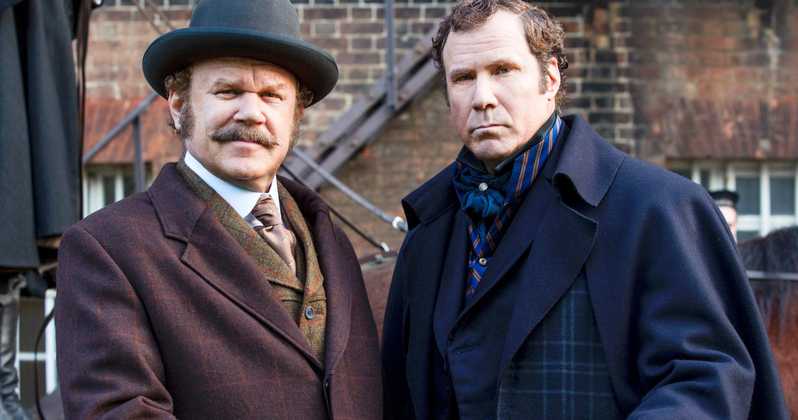
Will Ferrell does broad comedy better than anyone I can think of and, as you might expect, this send-up eschews the subtle — perhaps wisely, since even Billy Wilder did not really succeed with the more obliquely comic approach of The Private Life of Sherlock Holmes (1970). Both Ferrell and John C Reilly, with whom he has formed a solid screen partnership, go to town with their cut-glass English accents, but this has none of the sense of fun of Step Brothers (2008), and the whole enterprise labors under the weight of its historical setting, enlivened only by occasional moments of genuine mirth (including some knowing digs at Donald Trump), amid predictable turns by Rob Brydon and Ralph Fiennes.
If you’re sick of Marvel, here come DC Comics to make you sicker. Prior to the recent DC Comics movie adaptations, the only reason I had even heard of Aquaman was Steve Carrell’s joke about him in The 40 Year-Old Virgin. At that point I had confused him with Namor the Sub-Mariner, who is actually a Marvel character, but, frankly, who cares? The moniker tells you all you need to know about his marine proclivities, and you can pretty much guess the rest.
This origins story, which conceives the watery hero as a half-Maori, half-Atlantean fish-man who fights for his rightful place on the throne of Atlantis after it has been usurped by his half-brother, is a hybrid of Greek and Arthurian legend. Whether any of this was in the comic book I have no idea, and frankly couldn’t care less — it’s all nonsense. Superhero fictions occupy a similar space to religion, appealing as they do to wishful thinking, power fantasies and desire for justice, and how seriously you take them depends on how liable you are to denial of reality, stupidity or mental illness. The real question is whether this is entertaining nonsense.
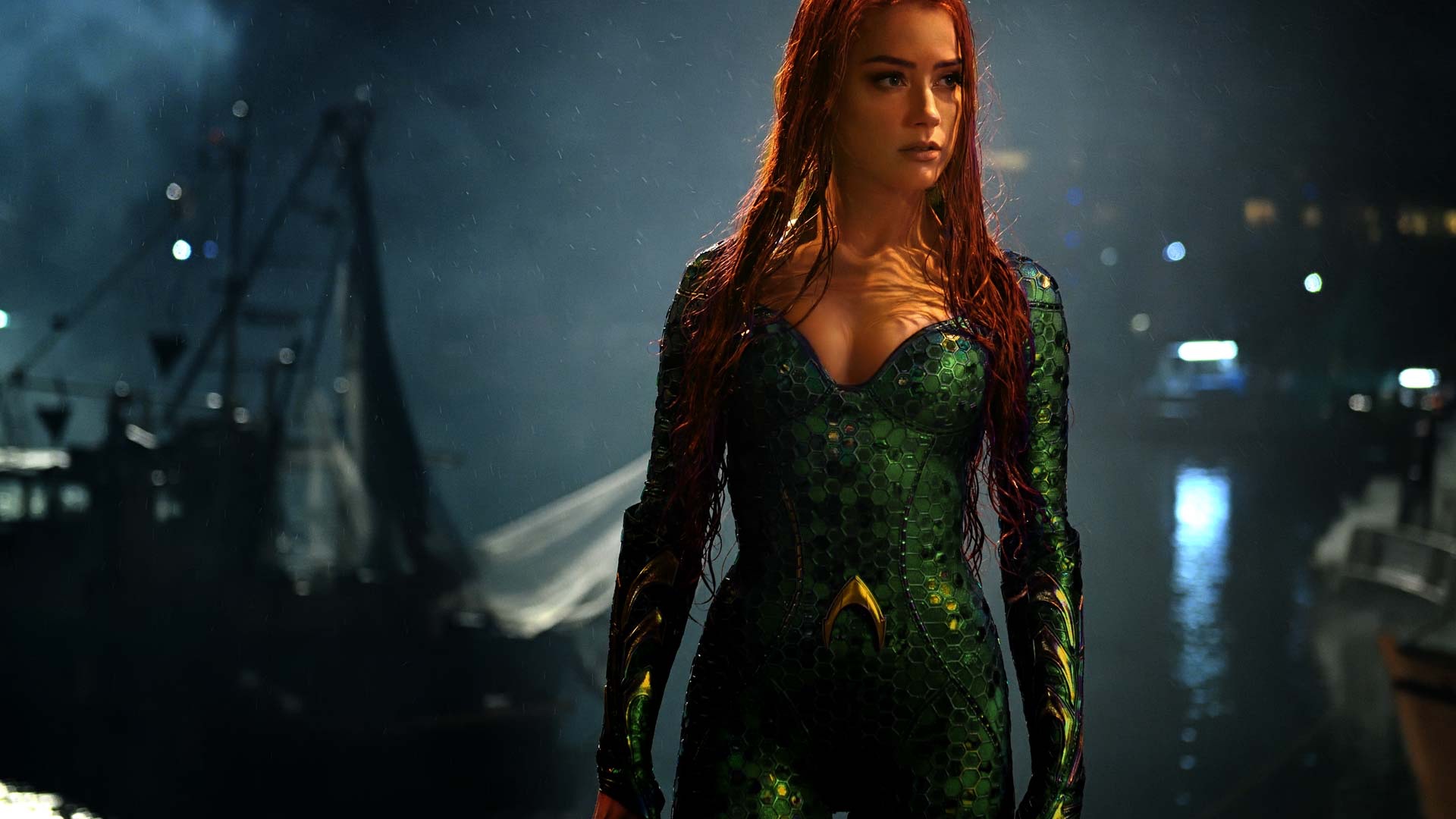
The good news — much to my surprise — is that it is. The leads are objectively highly attractive — Jason Momoa as the eponymous hero handsome, rugged and enormous, and Amber Heard as his love interest, Mera, beautiful and feminine — and, unlike Fantastic Beasts: The Crimes of Grindelwald, I could actually follow the narrative, even if it would appeal, I imagine, mostly to pre-teens.
Early intimations that the title character is dark and complex, exemplified by some heavy drinking with a barful of bikers, are not exploited to their full comic or dramatic potential in the way that a Swamp Thing, Deadpool, or even Guardians of the Galaxy might have done, and the narrative is quickly pulled back to the staid moral certainties of the DC universe, and the US in general.
This is an interesting choice, since Batman v Superman: Dawn of Justice (2016), in which Aquaman first appeared, albeit briefly, was extremely dark — in fact, all I can really remember of it is Batman grimly smashing Superman’s head against a wall — and my guess would be that this was felt to have been a miscalculation that should not be repeated. Notwithstanding the iconic nature of Batman and Superman, DC Comics are notorious for badly-drawn and lame superheroes, and film versions of their comics are not likely to rival the excellent adaptations of Marvel creations Iron Man and the X-Men any time soon, so it’s not surprising this has “mainstream” written all over it.
There is little here to interest adults who are not Marvel completists, except for nods to Stingray, and the Terminator movies. The hairpiece worn by Temura Morrison (in scenes as Aquaman’s father as a young man) rivals Robert Duvall’s in The Godfather for ridiculousness. The CGI airbrushing of all and sundry, but especially Nicole Kidman and Willem Dafoe, is also absurd, and takes you out of, not only the moment, but large stretches of the film, but I doubt kids will notice, or even know who these actors are.
But, somehow, the whole thing hangs together, and, against the background of an endless stream of indistinguishable recent comic book adaptations, even seems fresh. To paraphrase Mr Burns in an episode of The Simpsons, I know what I hate — and it’s not this.
This is the point at which I diverge quite violently from all those who enjoy fantasy-based world-building — Game of Thrones, Lord of the Rings, et al. I know many of you will be software engineers or molecular geneticists, and hence can’t be expected to care about unrealistic dialogue or acting, but at least I get that you see the world quite differently. Tried though I have to sit through GOT, I’ve rarely managed more than a couple of minutes, though have been impressed by the visuals, to the point of looking up to check how much it costs to make. The astonishing answer is around $15,000,000 an episode.
Likewise for the baroque Fantastic Beasts: The Crimes of Grindelwald (budget $200,000,000), in which you can see, or easily guess, where the money’s gone — on the visual effects, and re-stocking of Johnny Depp’s wine cellar. This seems to me like a straight-to-video performance by Depp — looking like he probably does sans makeup after a torrid week hanging out with his band, Hollywood Vampires, and getting through a barrel of ketamine — but to be honest this is all the role calls for, and he’s less irritating than Eddie Redmayne, who gives basically the same performance as in The Theory of Everything (2014) and looks marginally more masculine than in The Danish Girl (2015).
I was mystified and bored, if occasionally stirred by an amusing turn of phrase or visual effect. A hotdog break didn’t help, even if salsa proved a viable alternative to mustard — and when I returned to the screening I still had no real idea what was going on in this elaborately imagined magic-world. I didn’t make it past the ninety-minute mark — but was actually preceded to the exit by two similarly-glazed couples.
Publicity around Johnny Depp suggests he is most well-known nowadays for profligate spending and a somewhat dissolute lifestyle, rather more than his creative output — but, either way, my principal points of convergence with him have been a shared interest in Hunter S. Thompson, and his brilliant performance in a brilliant film, Ed Wood (1994). Granted, Depp paid to have Thompson’s ashes shot into space, whereas I never even met him, let alone financed his funerary tribute — but Ed Wood stands head and shoulders above the rest of his oeuvre — a globally fascinating film that is immaculately photographed, funny, and adorned with numerous spot-on performances (notably those by Martin Landau, Bill Murray and Depp himself).
Otherwise, his career has been dominated by occasionally interesting if not exactly gripping work in movies with an overcrowded visual aesthetic — notably the seven collaborations with Tim Burton other than Ed Wood, and the Terry Gilliam misfire Fear and Loathing in Las Vegas* — superior Mafia flick Donnie Brasco (1997), and the Pirates of the Caribbean franchise, which I haven’t seen, having no interest.
Aside from Ed Wood, the Depp-Burton films all look horrible — particularly Alice in Wonderland (2010) — and deserve to be consigned to the garbage can of movie history or, at least, reserved for Burton completists with no visual sense.
*Actually, all Gilliam’s films are misfires, of course, with the exception of Monty Python and the Holy Grail (1975), which is saved by flashes of comic genius — usually John Cleese’s — and Time Bandits (1981), which is watchable and doesn’t look like the entire contents of Gilliam’s imagination have been downloaded onto the screen. Fear and Loathing is a case in point — instead of Thompson’s superb prose, which conjures vivid images and comicality with great economy (“We were somewhere around Barstow on the edge of the desert when the drugs began to take hold…”), the film version gives us the less-interesting sight of Depp stumbling around, intoxicated with psychedelics, which in any case misses the point. Thompson did, to be sure, take drugs and drink quite a lot, but the persona was a fictional creation that served usually comic purposes. That Depp is quite a different physical type to the lanky Thompson is less of a gripe, but the film falls into the trap (much like Cronenberg’s Naked Lunch, 1991) of failing to recognize that the book’s brilliance rests with the prose itself.
Sylvester Stallone must have broken some kind of unenviable record for remaking the same movie, even if Rocky was a legitimately decent film with a good script penned by Sly himself. He takes a co-screenwriting credit for this one, but one suspects this is more a nod to the fact that he created the scenario than anything. The plot — Apollo Creed’s son, now champion, pitched against Ivan Drago’s (Dolph Lundgren in Rocky IV’s) son — is contrived, to say the least, and some of the backstory revealed in awkward expository dialogue — but Stallone looks good for 62, and looks, and delivers a line, like no one else, even if it’s the same performance as every other movie he’s made, which commands, if not respect exactly, then at least the attention.
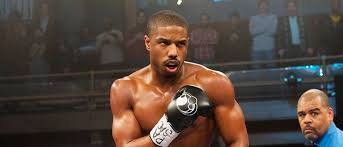
A grizzled Lundgren phones in his robotic performance, but what on earth did you expect? The actor playing his son is a muscle-bound hulk who would have appeared less out of place as a pro wrestler, and is badly miscast. I’ve never seen Michael B Jordan previously in anything but Creed trailers, but he acts and boxes convincingly, and looks like he would have stopped Stallone in his prime within about seven seconds. His combination of pretty-boy looks, sensitivity and smarts realizes a character that is a sort of heavyweight Sugar Ray Leonard. He holds the whole thing together, and possesses all the qualities necessary to become a major star.
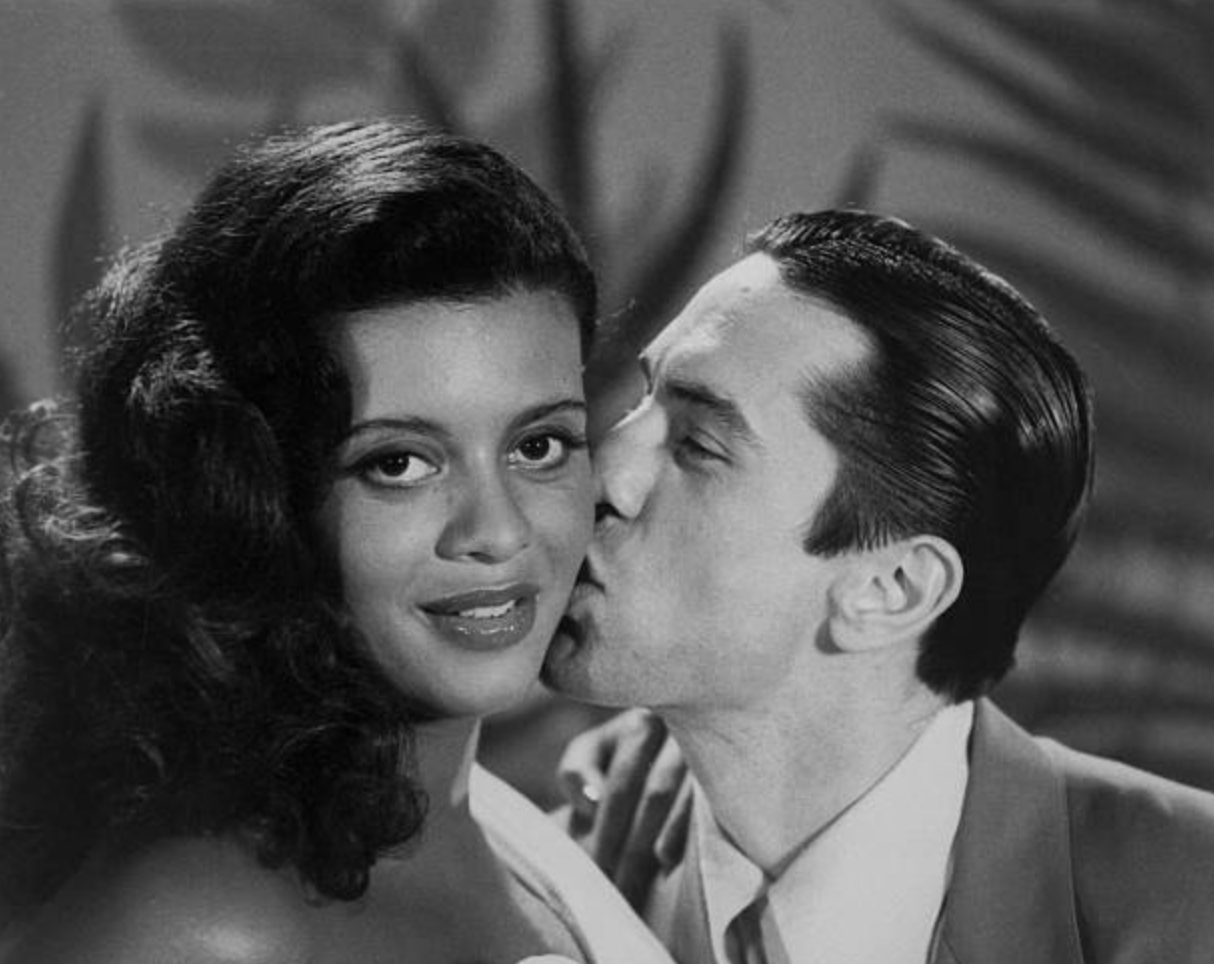
Talia Shire (Rocky Balboa’s girlfriend in the original, and possibly some or all of the sequels — I haven’t bothered checking IMDb) doesn’t appear in this one, except as a name on a headstone, having evidently died, and neither does any female character sufficiently interesting to counter-balance the macho male lineup, although Tessa Thompson as Jordan’s girlfriend/fiancée is certainly pretty, and reminiscent of Diahnne Abbott circa Taxi Driver and New York, New York.
Duke McKenzie once told me that the best movie depiction of boxing was Hurricane, which I’ve not yet gotten around to watching — even though I know the Dylan song of the same story down to the last growled lyric and draw of Scarlet Rivera’s violin bow — but Creed II makes a more decent fist of the fight sequences than any of the Rocky films I’ve seen, even if they’re still not wholly convincing. Actually I have not seen the previous Creed, but would now happily give it a whirl if it popped up on Film4 or TCM.
Below: Diahnne Abbott, “New York, New York” (1977).
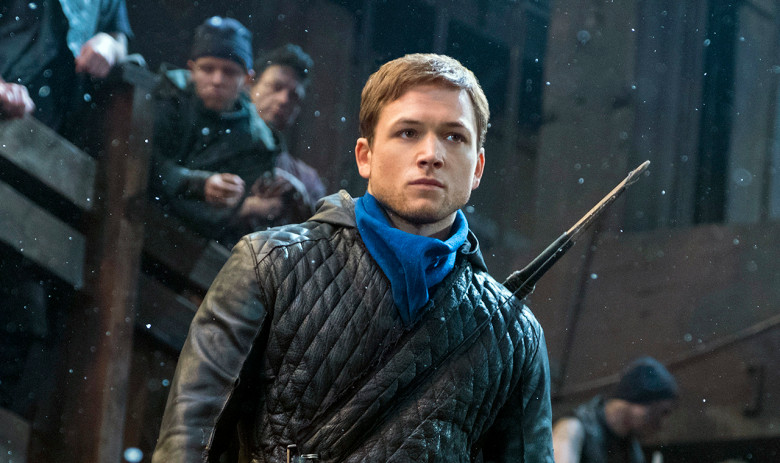
With a Rotten Tomatoes critics’ score of 11%, this sounded dire. Given that Robin Hood probably never existed, considerations of historical accuracy are I suppose moot — but the idea that a Crusader would have teamed up with a Muslim Berber is ridiculous, even if this one (Jamie Foxx) is African-American — but in fact none of this matters, as Taron Egerton and Foxx are skilled actors and Foxx, at least, has considerable screen presence, and between them they carry the whole thing off, sort of.
Egerton plays Robin of Loxley — yes, I thought it was “Sherwood” too — as a sort of ADHD-tinged teenage scamp to Fox’s more experienced and tougher-looking Little John, and it rarely looks like it’s set earlier than around A.D. 2014 — check out the costumes for some of the most implausible medieval apparel since Richard Gere-King Arthur abomination First Knight — but it’s as entertaining as any light-hearted silliness of this sort, and far less earnest than the Costner and Crowe iterations of the last few years.
I don’t really recall much about Will Scarlett’s character from previous outings, but in this he’s a ranting, overbearing Ulsterman, which seems a bit weird, and Eve Henson as Maid Marian is a somewhat aloof sort of Irish beauty, and not at all what I would have pictured in the role, but my view will have been shaped by Errol Flynn-type renderings of men in tights viewed when I was six, but committed to film decades earlier, so it’s not surprising it’s nothing to do with what modern audiences want or expect. Adolescents may find it an interesting distraction from playing video games and smoking skunk — as an adult, or even child over the age of sixteen, avoid, unless you want to lose IQ points.
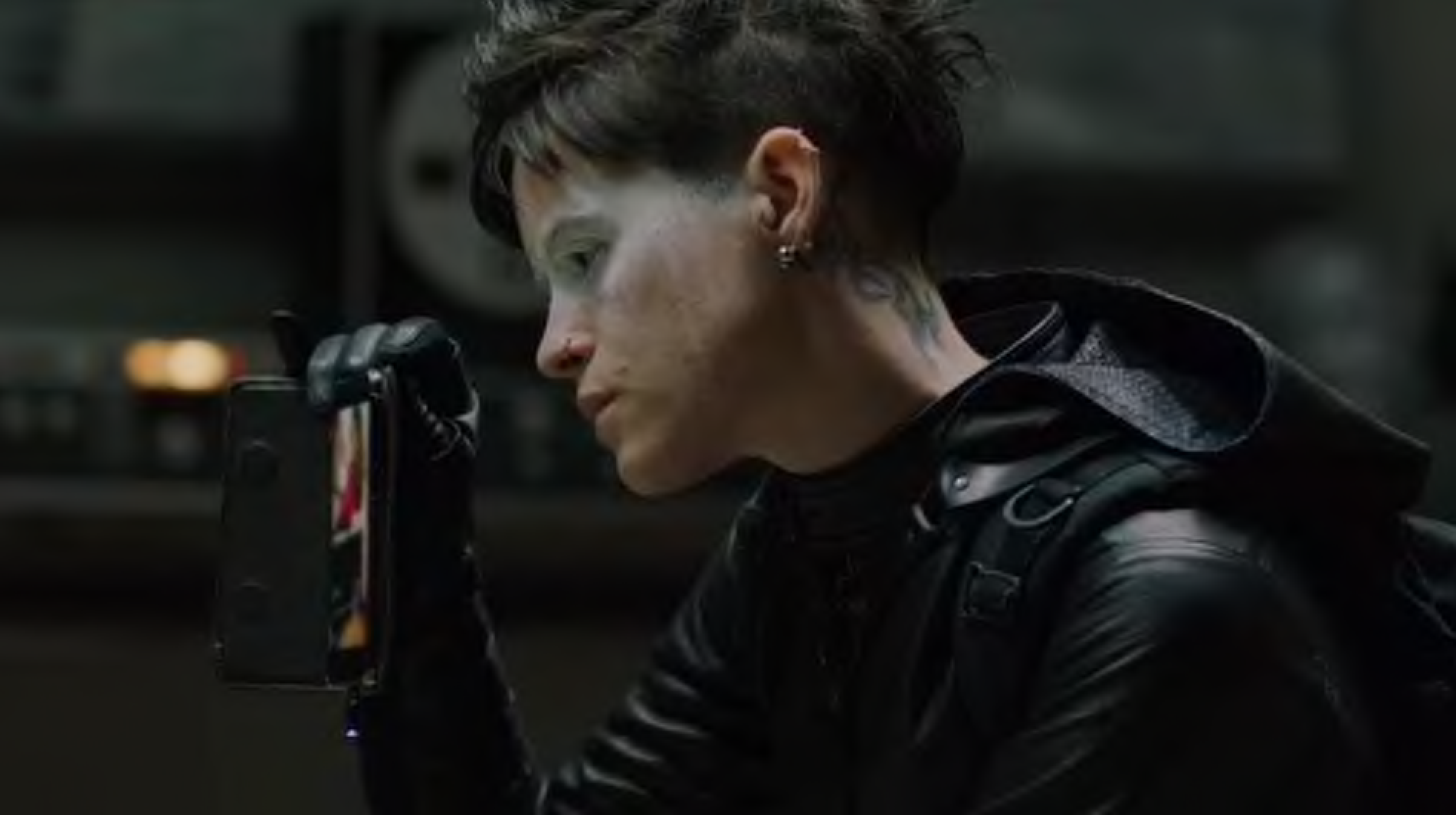
Unremittingly bleak, and shot in perpetual twilight, though occasionally leant grandeur by its Swedish locations, this sequel/reboot features repellent, brutal if mercifully brief episodes of extreme violence and gore but is, nevertheless — or perhaps consequently — fundamentally un-involving. It is ill-served by an androgynous, expressionless actress resembling a crash test dummy with a pageboy cut (Claire Foy, lacking Noomi Rapace’s screen presence) who rides around Stockholm on a black Ducati dodging explosions and interacting with a range of other one-dimensional ciphers straight out of Central Casting, Scandinavia — although goggle-eyed Stephen Merchant adds curiosity value as somebody in the PC world, or perhaps somebody who works at PC World — I wasn’t really paying attention — though sadly without amusing anyone, least of all me. I had been wondering how Stieg Larsson managed to continue writing stuff so long after dying — and it turns out he did not in fact write this. Would probably appeal to jacked-up teenage goth couples en route to a death metal concert or social workers with borderline disorder contemplating slitting their wrists.
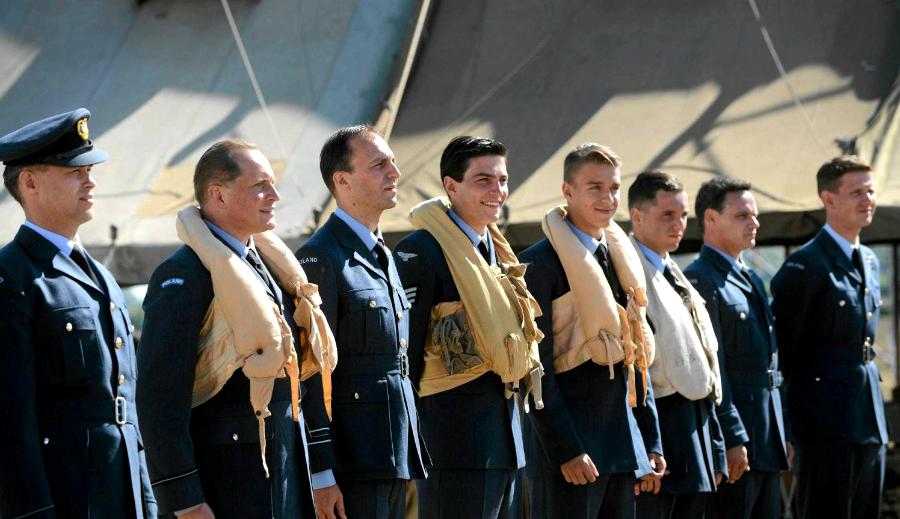
The premise of this movie is Polaks in Spitfires — and it is everything Christopher Nolan’s stylized, under-dramatized and, frankly, boring Dunkirk wasn’t. Riveting from the outset, the first action scene — in which a Polish fighter ace is handed the keys to a plane he has never previously flown and shoots down a Messerschmitt, only to receive a reprimand from his ungrateful RAF superiors — encapsulates the tension underpinning the narrative. Whilst this would ordinarily seem too hackneyed to be plausible, here it has a ring of truth. Certainly the film glamorizes war — but, given the under-recognized nature of the Polish contribution to the Battle of Britain, this splash of glamour is well deserved. Various technical aspects of the movie are done spectacularly well, including the cinematography — which is not infrequently beautiful — the effects, which are probably CGI but look much better than that makes it sound, and the casting, which is as good as any historically based film I can think of right now, based on the matched photographs of pilots and actors shown at the film’s close, as well as a very plausible Hermann Göring (as opposed to Gary Oldman in a fat suit, which a Hollywood version would presumably entail).
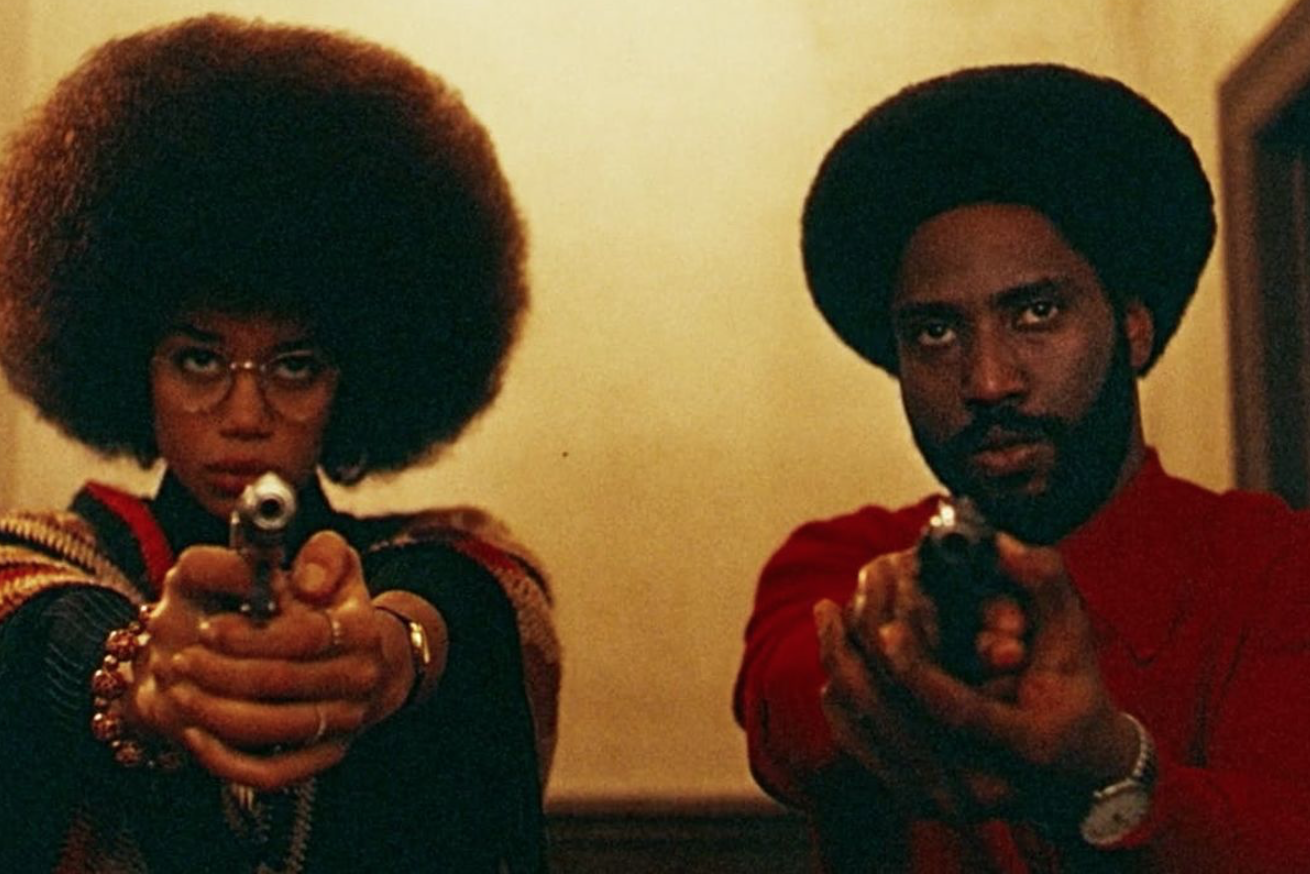
BlacKkKlansman (2018) Not quite premium Spike Lee, but very close — his best after Clockers (1995) and Summer of Sam (1999) — and easily his funniest, even if he didn’t seem to be going for that until now. Paul Walter Hauser does the same turn as the fat, stupid redneck he perfected in I, Tonya, but is no less amusing for the lack of originality.
King of Thieves (2018) Desperately unamusing and uninspired.
A Star Is Born (2018) Superfluous Nth iteration of the gravy train set in motion in 1937 — but it turns out Lady Gaga can really act, as well as sing*, and even outshine Bradley Cooper. *Previously I had assumed her vocal performances came by way of Vocoder and Autotune.
Venom (2018) Tom Hardy looks like the bloke who comes round to fix your roof, and is about as interesting to watch. I’m not saying he can’t act — but clearly star quality is no longer even a consideration in casting movies.
First Man (2018) Poorly dramatised and visualized — for an object lesson in how it should be done, see Philip Kaufman’s The Right Stuff (1983). How they managed to make the story of Man landing on the moon boring is anyone’s guess — but they did. It’s also strangely mean-spirited — Buzz Aldrin is portrayed as a self-serving bald man, though he is not completely bald even today, at the age of 88, and self-evidently has a lot of guts.
Bohemian Rhapsody (2018) Superficial, if entertaining …and seriously under-dramatized. The actor playing Brian May is uncannily like him — everyone else looks like a cartoon version.
Juliet, Naked (2018) My only interest in this came from it being adapted from a Nick Hornby novel. Not that I’ve actually read any of his novels, but I enjoyed the film versions of Fever Pitch and About A Boy. So far as I managed to stay with it, it seemed without redeeming qualities — achingly right-on, unamusing, and filled, scene after scene, with this talentless, oafish Irishman from The IT Crowd. I may have left before the half-hour mark.
Widows (2018) Updating of the Lynda La Plante-scripted 1983 TV series, transposed to Chicago. The dialogue doesn’t have the edge I recall from the original — although that may potentially be nostalgia talking. You can’t fault the production values, but there’s a smoothness about it, and perhaps some lack of urgency to the narrative, that gives it a somewhat TV movie-ish blandness. In summary, not a patch on the original, and I am mystified by the overwhelmingly positive critical reception.



 FATAL VISIONS